
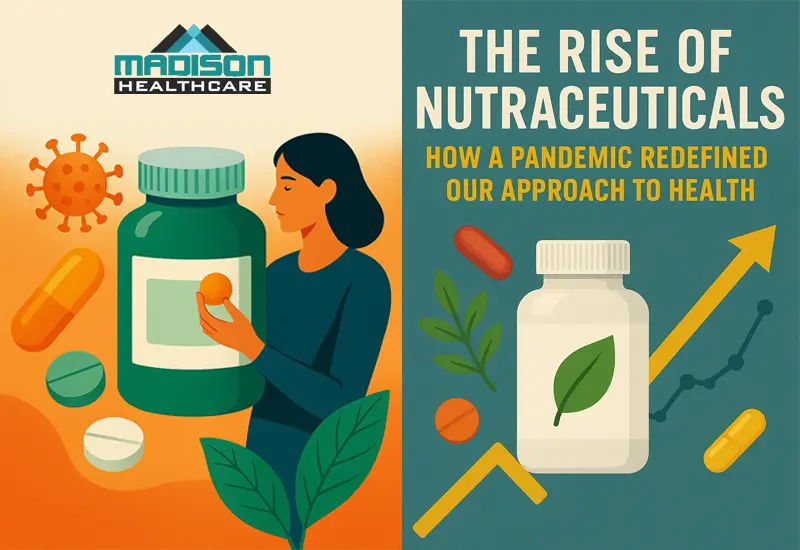
The COVID-19 pandemic was more than a global health crisis; it was a profound societal shockwave that fundamentally altered our relationship with our own well-being. As the world grappled with a novel virus, a palpable sense of vulnerability spurred a collective quest for control—over our immunity, our resilience, and our long-term health. In this crucible of anxiety and awareness, a once-niche market exploded into the mainstream: the world of nutraceuticals.
Blending the lines between nutrition and pharmaceuticals, nutraceuticals are bioactive compounds, functional foods, and dietary supplements that provide medical or health benefits, including the prevention and treatment of disease. In the post-pandemic landscape, they have evolved from optional wellness aids to central pillars in the proactive health strategies of millions.
The Pandemic as a Catalyst: From Reactive to Proactive Health
Pre-pandemic, the approach to health for many was often reactive—visiting a doctor when symptoms arose. COVID-19 shattered this paradigm. The absence of an immediate cure, coupled with information about comorbidities like obesity and vitamin D deficiency worsening outcomes, ignited a powerful shift towards prevention.
People were no longer just asking, “How do I treat this illness?” but rather, “How do I fortify my body to prevent severe illness?” This question became the engine of the nutraceutical boom. Searches for “immunity-boosting supplements” skyrocketed. Sales of Vitamin C, Vitamin D, and Zinc, long championed by health enthusiasts, saw unprecedented global demand as preliminary research and expert opinions highlighted their role in supporting immune function.
This period fostered a new health consciousness. Consumers became amateur nutritionists, scrutinizing ingredient lists and seeking scientific backing for their choices. The pandemic, in essence, created a more educated, motivated, and health-anxious consumer base, perfectly primed for the promises of nutraceuticals.
The Modern Nutraceutical Arsenal: Beyond the Basic Multivitamin
While classic vitamins and minerals laid the foundation, the post-pandemic nutraceical market is characterized by its sophistication and diversity. The focus has expanded from general wellness to targeted, evidence-based solutions for specific post-viral challenges.
- Immune Support 2.0: The conversation has moved beyond just Vitamin C. Supplements containing Elderberry, Echinacea, and Wellmune® (a proprietary yeast beta-glucan) are marketed for their ability to modulate and “prime” the immune system. The goal is no longer just to “boost” immunity—a potentially risky overstimulation—but to support its balanced and efficient function.
- The Mental Wellness Surge: Perhaps one of the most significant legacies of the pandemic is the global mental health crisis. Lockdowns, isolation, and constant anxiety took a toll, creating a massive demand for cognitive and emotional support. This propelled adaptogens—a class of herbs like Ashwagandha, Rhodiola Rosea, and Holy Basil—into the spotlight. Touted for their ability to help the body resist stressors and regulate the nervous system, they have become staples for the overworked and overwhelmed. Similarly, L-Theanine (found in green tea) for calm focus, and Magnesium for relaxation and sleep, have seen a dramatic rise in use.
- Gut Health as the Cornerstone: The adage “all health begins in the gut” has found a powerful post-pandemic resonance. Research into the gut-immune axis, which demonstrates the critical link between gut microbiome diversity and immune response, has driven interest in prebiotics and probiotics. Consumers are increasingly seeking fermented foods, high-fiber supplements, and specific probiotic strains not just for digestive comfort, but as a foundational strategy for systemic health, including mental well-being through the gut-brain axis.
- Longevity and Cellular Health: The pandemic forced a confrontation with mortality, accelerating interest in longevity science. Nutraceuticals like NMN (Nicotinamide Mononucleotide) and Resveratrol, which target cellular aging and energy production at a mitochondrial level, are moving from the fringes of biohacking into the mainstream wellness conversation.
The Driving Forces Behind the Sustained Growth
The initial panic-buying has subsided, but the nutraceutical market continues its robust growth. This is fueled by several interconnected trends:
- The Democratization of Health Information (and Misinformation): Social media platforms, particularly TikTok and Instagram, have become primary sources of health information. While this has democratized knowledge, allowing influencers and holistic practitioners to reach millions, it has also created an echo chamber of anecdotal evidence and, at times, unsubstantiated claims. Consumers are empowered but also vulnerable, navigating a landscape where a viral video can dictate supplement trends overnight.
- Personalization and Technology: The one-size-fits-all approach is becoming obsolete. The rise of at-home testing kits—for everything from vitamin levels and gut microbiome composition to genetic markers—allows consumers to receive personalized supplement recommendations. This data-driven approach adds a layer of scientific credibility and meets the modern demand for bespoke health solutions.
- The Blurring of Food and Pharma: The functional food and beverage industry is a direct extension of the nutraceutical trend. We now see it everywhere: collagen-infused coffee, probiotic seltzers, sleep-enhancing chocolates, and immunity-boosting shots at grocery checkouts. This integration makes “dosing” on health-supporting compounds convenient and seamless, embedding nutraceuticals into the daily rituals of life.
Challenges and the Road Ahead: Navigating the New Frontier
The rapid ascent of nutraceuticals is not without significant challenges. The industry operates in a regulatory grey area, particularly when compared to pharmaceuticals.
- The Regulatory Gap: In many countries, including the United States under the DSHEA Act, dietary supplements do not require pre-market approval for safety and efficacy from the FDA. They are regulated as a category of food, not drugs. This means the burden of proof often falls on the regulatory body to prove a product is unsafe after it has reached the market, rather than on the manufacturer to prove it is safe and effective before launch. This can lead to issues with adulteration, contamination, and misleading marketing claims.
- The “Health Halo” and Self-Diagnosis: The ease of access can lead to self-diagnosis and over-reliance on supplements as a magic bullet. A nutraceutical cannot compensate for a poor diet, lack of sleep, or sedentary lifestyle. There is a risk that consumers, shielded by a “health halo” from their supplement regimen, may neglect more fundamental, evidence-based health practices.
- The Need for Rigorous Science: While many nutraceuticals have promising preliminary studies or long histories of traditional use, large-scale, robust clinical trials are often lacking. The future of the industry depends on investing in this high-quality research to validate claims and build trust with both consumers and the medical community.
Conclusion: A Permanent Shift in the Health Paradigm
The rise of nutraceuticals is far more than a passing trend; it is a fundamental component of a new, proactive health paradigm born from the anxieties of a post-pandemic world. Consumers are no longer passive recipients of healthcare but active participants, seeking agency over their biological destiny.
The challenge ahead is to channel this powerful momentum responsibly. It requires a concerted effort from regulators to ensure safety and transparency, from manufacturers to prioritize rigorous science over marketing hype, and from consumers to cultivate health literacy and a critical eye. In this new era, the true promise of nutraceuticals lies not in replacing traditional medicine, but in partnering with it, creating a more holistic, personalized, and preventative path to human health and resilience.
